Treatment Targeted with Presence & Precision
State-of-the-art imaging accuracy, paired with a clinician who understands the complete story of your injury and has been with you since the beginning.
Types of Injection Therapy
For MVA whiplash, this is often the most effective treatment. Myofascial trigger points create referred pain patterns often mistaken for nerve injury. Needling triggers a reflex response that resets muscle function and reduces pain.
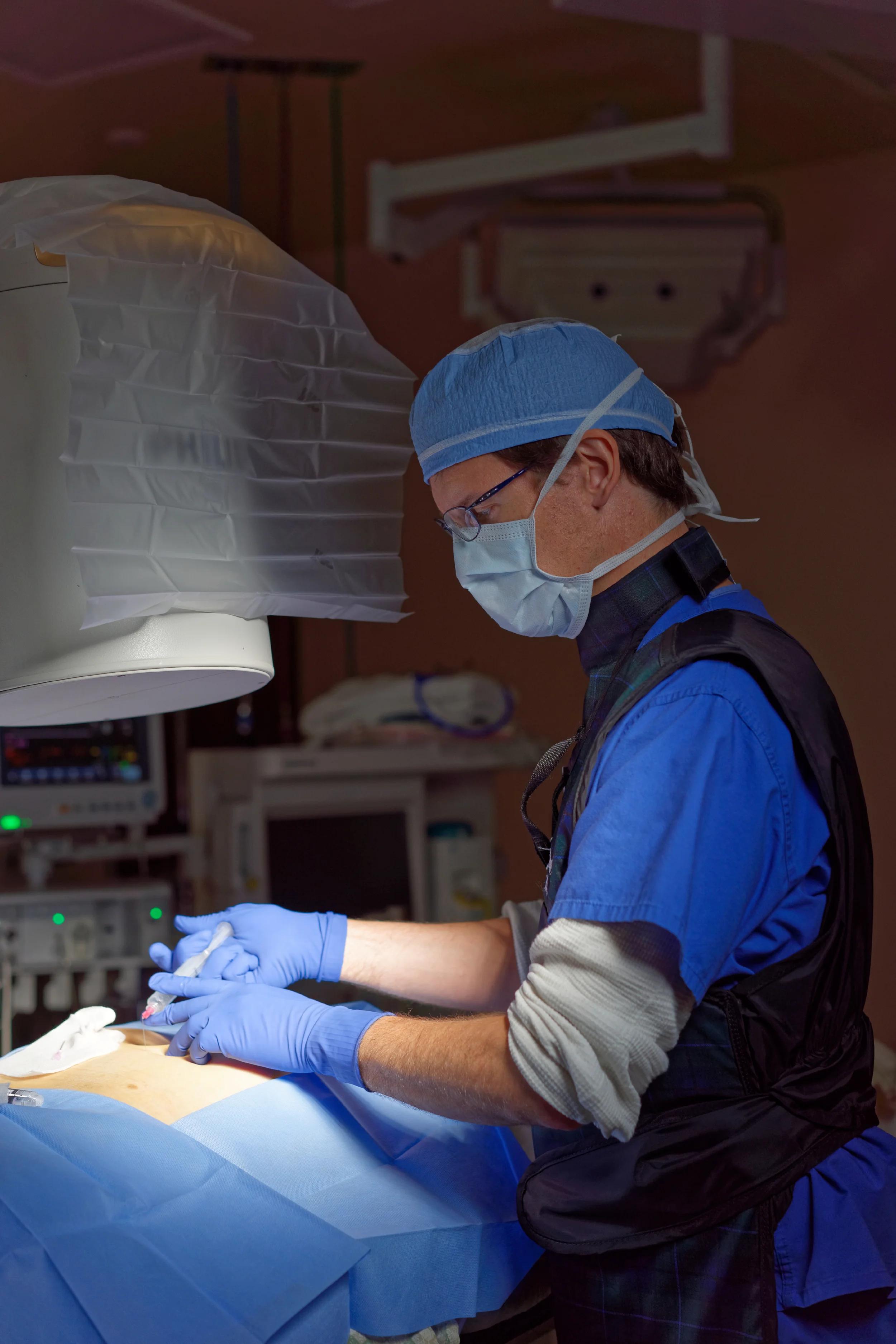
Very common with MVA injuries. These deep structures respond well to fluoroscopically guided treatment. Corticosteroids address inflammation; PRP or prolotherapy target joint instability.
For ligamentous laxity, tendinopathy, or chronic soft tissue dysfunction after simpler treatments plateau. PRP uses your own blood; prolotherapy uses dextrose to stimulate healing.
Frequently overused for MVA injuries. MVA mechanisms rarely damage central spinal nerves - the pain usually comes from facet joints, SI joints, and myofascial dysfunction. I'm selective with epidurals, only using them when exam and EMG confirm true radiculopathy. A bulging disc on MRI alone isn't enough.
How Fluoroscopy Can Be Helpful
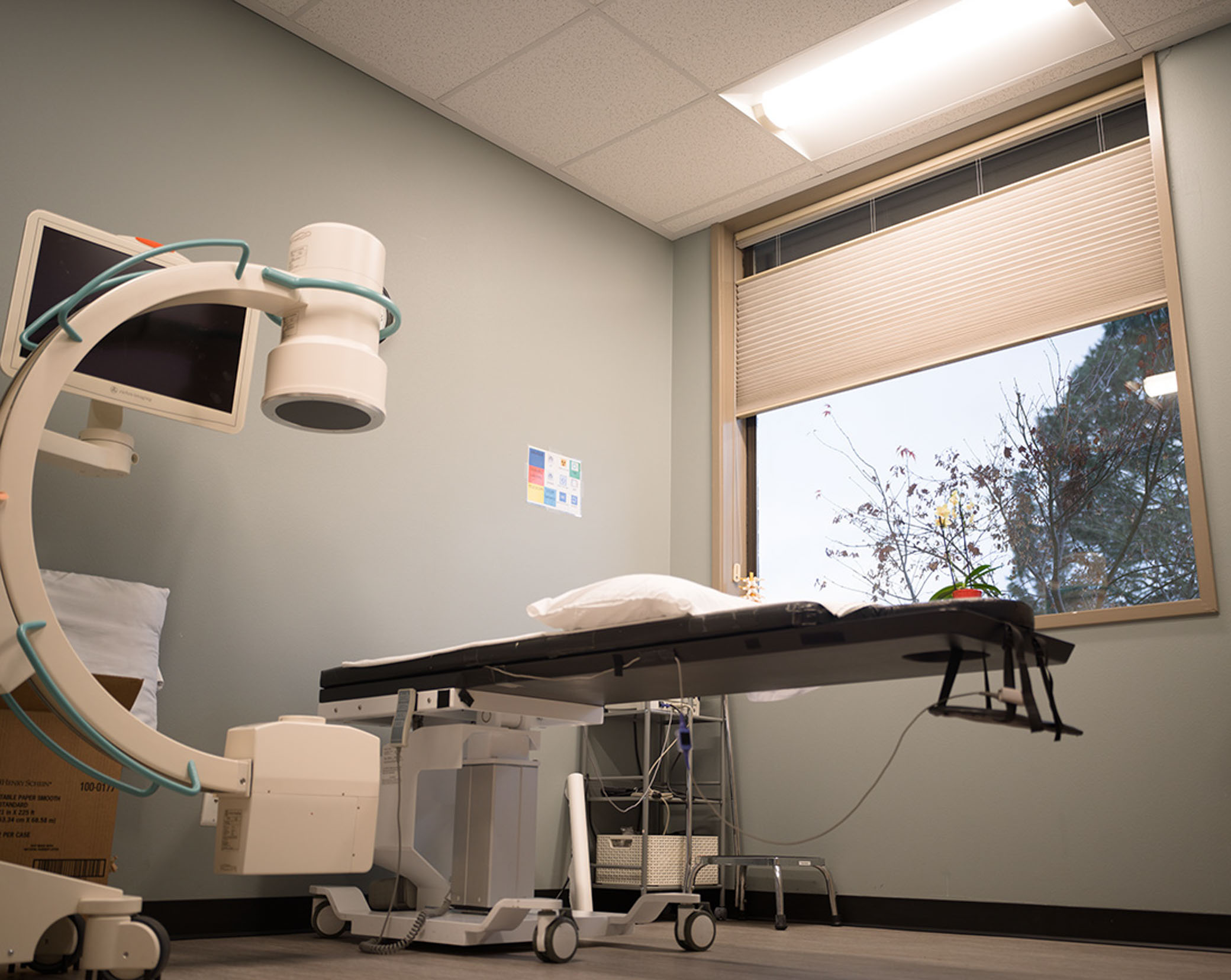
For some procedures, I use live C-arm fluoroscopy. This decreases anatomical guesswork for certain therapeutic injections. Real-time imaging helps navigate the complex anatomy of the spine, joints, and soft tissues - the medication is delivered to the source of the pain. Reviewing the imaging afterwards presents us with an educational opportunity.
The Diagnostic Foundation
Injection therapy is never first-line treatment - it's targeted intervention built on diagnostic clarity. My approach integrates:
Clinical Exam and Detailed History
No procedure without comprehensive musculoskeletal and neurological assessment. Provocative maneuvers differentiate radicular pain from myofascial pain from true nerve injury.
Electrodiagnostic Testing (EMG/NCS)
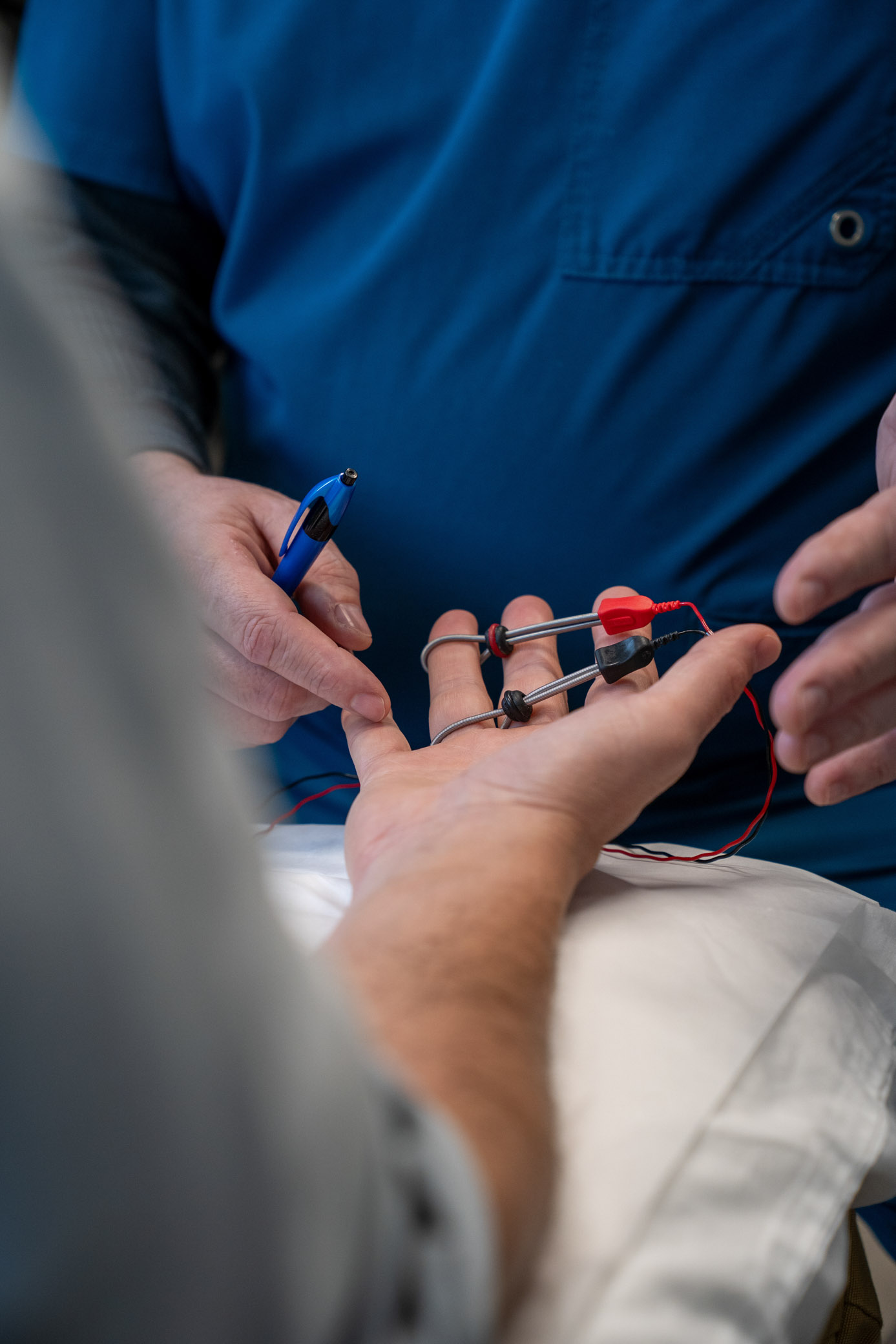
When true nerve injury is suspected, electrodiagnostics provides objective data about nerve function, localization, and severity. This determines whether injection therapy should target nerve roots, entrapment sites, or myofascial structures.
Imaging Review
I personally review MRI, CT, and X-ray imaging with the patient. Degenerative changes, disc pathology, and structural abnormalities guide target selection and determine when injections are appropriate.
Integration with Rehabilitation
Injections aren't what makes you better - they make your rehab work better. Your body wants to heal and tries hard, but sometimes needs a push in the right direction.
When Injections May Not Be Appropriate
Not all pain requires injections. Many patients respond well to manual therapy, rehabilitation, and addressing psychophysiological factors like sleep disruption, stress, and fear avoidance. In practice, I often put treating psychophysiological factors at the top of the list since these so strongly influence recovery. I use injection therapy selectively - when diagnostic testing supports it, when conservative care has plateaued, and when the risk-benefit ratio favors intervention.
Ready to Discuss Treatment Options?
Schedule a consultation to determine if injection therapy is the correct next step in your treatment and recovery goals.